

The Susan M. Daniels Disability Mentoring Hall of Fame was established to honor those who are making a significant difference in the lives of youth and adults with disabilities through mentoring and to raise awareness about the importance of mentoring for individuals with disabilities.
The Hall of Fame’s namesake, Susan M. Daniels, devoted her life to improving the lives of others with disabilities. As a person with a disability who achieved enormous professional and personal success, she had significant impact as a senior policy maker, as an inspirational speaker and teacher, and as a devoted mentor to hundreds of individuals.
In 2015, the National Disability Mentoring Coalition named 25 outstanding leaders as the first inductees into the Susan M. Daniels Disability Mentoring Hall of Fame – 25 champions marking the 25th anniversary of the Americans with Disabilities Act. These inductees were selected for their demonstrated commitment to mentoring and for their impact on improving the lives of people with disabilities.
July is recognized as Disability Pride Month to celebrate people with disabilities, their identities, their culture, and their contributions to society.
For the 10th anniversary, PYD will celebrate the Class of 2025 of the Susan M. Daniels Disability Mentoring Hall of Fame to recognize mentors and organizations whose mentoring has positively impacted people with disabilities. This ceremony will take place on Monday, July 21 at 6pm EST.
Read on to learn more about this year’s inductees:
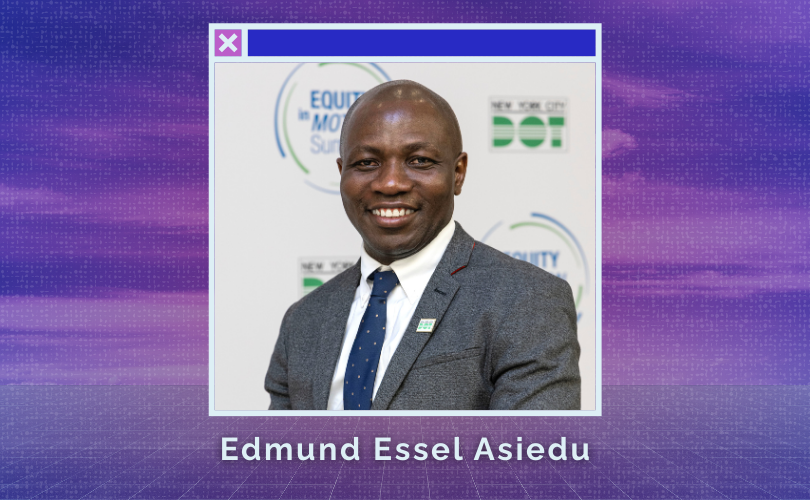
Edmund Asiedu (Phonetic Pronunciation of Name: Eh-dmehnd Asy-eh-doo) (he/him) is a proud person with disability and a passionate accessibility, disability inclusion, inclusive mentoring, and universal design advocate who raises awareness on the needs of persons with disabilities in educational institutions, workplaces, and cities. Born and raised in Ghana, he relocated to the United States in 2010. Before joining New York City Department of Transportation as the Accessibility Policy Advisor and ADA Coordinator, Edmund held positions at Columbia University School of Public Health, Berkeley College, Cypress Hills Local Development Corporation, National Disability Rights Network, and Ghana Society of the Physically Disabled. He holds a Bachelor of Social Work from the CUNY – Lehman College and a Master of Public Administration from CUNY – Baruch College School of Public and International Affairs. He served on the Disability Access and Accommodations Committee at the Columbia University Medical Center and advised ENABLE student organization at the Columbia University School of Public Health. Edmund currently serves as Co-Chair of the Advisory Council of the National Disability Mentoring Coalition (NDMC). In his personal time, he enjoys spending time with his family and riding handcycle.
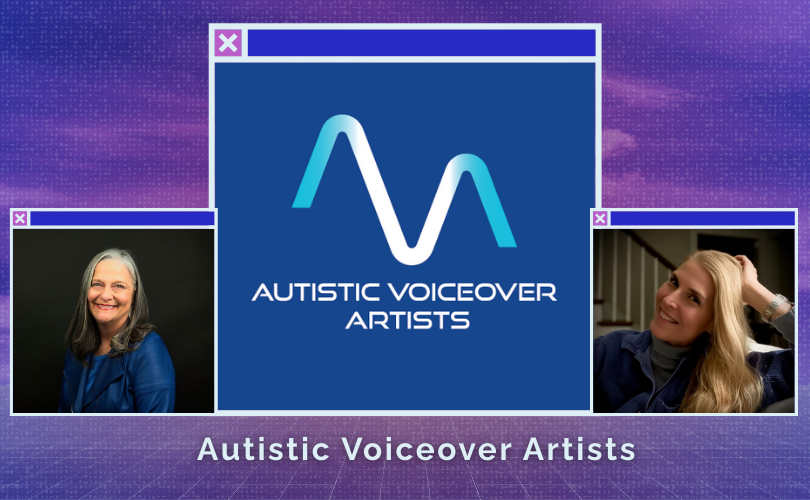
Robin Brooke (she/her) is an accomplished stage actress, voiceover talent, and instructor with over 20 years of industry experience. A long-time member of both Actors’ Equity Association and SAG-AFTRA, she began her training on a theatre scholarship at American University in Washington, D.C., and continued her studies at the Herbert Berghof Studio in New York City, where she trained with the legendary Uta Hagen.
Her early career was spent touring and performing in regional theatres across the country, which eventually led to a successful transition into the world of voiceover. Robin’s voice can be heard in video games, animation, audiobooks, commercials, and as an English dubbing artist for foreign television and film on platforms such as Netflix, Amazon, and HBO.
In addition to her performance work, Robin is a passionate instructor and mentor, particularly dedicated to supporting neurodivergent talent. She is the co-founder and Program Director of Autistic Voiceover Artists (AVA), a nonprofit organization that empowers autistic adults to explore and succeed in voiceover. Through AVA, she is committed to making the voiceover industry more accessible, inclusive, and welcoming to those on the autism spectrum.
Heidi Hackney (she/her) holds a master’s degree in Human Development and is a certified ICF coach, mentor coach, and coaching instructor. With lived experience in a neurodiverse family—her husband is on the autism spectrum and her teenage daughter navigates life with ADHD—Heidi brings deep empathy and insight to her coaching practice.
In addition to her private coaching work, Heidi is the co-founder of Autistic Voiceover Artists (AVA), a nonprofit organization dedicated to providing affordable and accessible voiceover training to autistic adults with a passion for performance. Her work at AVA is rooted in a commitment to inclusion, creativity, and empowerment.
Outside of her professional life, Heidi is an avid downhill skier and enjoys working as a ski instructor whenever time and snow conditions allow.

Scott (he/him) has mentored hundreds of youth and young professionals with disabilities over 24 years through the University of Washington Disabilities, Opportunities, Internetworking, and Technology (DO-IT) Center. As Center Director, he believes in strengths-based mentoring, and helps students understand that their voices should be at the center of conversations about their education and careers. Scott worked with students as co-editor of the book “Perspectives of STEM Students with Disabilities” and has worked with students to develop several advocacy videos and publications. Scott has authored articles in journals sharing effective mentoring strategies such as:
- Neuroscience for Neurodiverse Learners: Lessons Learned about Engaging All Students. Review of Disability Studies
- Parents Can Play a Critical Role for Neurodivergent Students Transitioning to College. MindBrainEd Journal.
- Work-based learning experiences help students with disabilities transition to careers. WORK: A Journal of Prevention, Assessment, and Rehabilitation.
- Academic coaching outcomes for students with disabilities pursuing (STEM). Journal of Postsecondary Education and Disability
Scott has been a project director and Principal Investigator of an NSF-funded project called Neuroscience for Neurodiverse Learners. He has been very active in this multi-year college-preparation project, mentoring students with disabilities and directing campus-based programming supporting students with academic challenges related to conditions such as dyspraxia, dyslexia, attention deficit hyperactivity disorder, dyscalculia, autism spectrum disorder, and Tourette syndrome.
Scott served as the leader of the West Coast Hub of the Alliance of Students with Disabilities for Inclusion, Networking, and Transition Opportunities in STEM. Scott provided mentoring to students in the Alliance and helped provide recommendations to mentoring programs for students with disabilities at six institutions of higher education on the west coast.
From 2003 to 2015, Scott managed the UW activities of the United States Department of Labor’s Workforce Recruitment Program, mentoring over 150 students with disabilities as they prepared their resume, conducted practice interviews, and ultimately engaged with a WRP recruiter for jobs in the Federal Government and in the private sector.
Scott has authored and co-authored a large number of articles that share information specifically about mentoring youth with disabilities. Examples from magazines, newsletters, blogs, and organization websites include:
- Increasing Diversity in STEM: CNT Students Encourage Neurodivergent High Schoolers to Explore Neuroscience. Center for Neurotechnology.
- Student voices: Improving Accessibility in STEM Classes. The Hub: Keeping the Association of Higher Education and Disability Connected.
- Tools for Educators: Supporting engineering students with disabilities. 2018 American Society for Engineering Education conference, featured resource.
- Student voices: Insights about accessible science and engineering from disabled students. The Hub: Keeping the Association of Higher Education and Disability Connected.
- Mentors matter: Youth with disabilities and the pursuit of STEM. DO-IT
- The use of mentoring to recruit employees with disabilities. Hire Disability Solutions Monthly
Scott has presented information about mentoring and supporting students with disabilities at over 50 professional conferences and workshops, reaching thousands of students, educators, employers, and other allies as they embark on their own journeys of mentoring and inclusion. He served in leadership roles at the Washington State Governor’s Committee on Disability Issues and Employment for over a decade.

Kathryn “Katy” Carroll (she/her) grew up on Long Island in New York State. She was motivated to become involved in disability rights advocacy by other blind people she met as a young woman. She also learned the value of being connected to people with similar experiences. She studied international studies at American University in Washington, D.C, and participated in several study abroad programs in France and Norway.
When nearing the end of her bachelor’s degree program, she developed an informal mentor-mentee relationship with another blind woman, who helped connect Katy with work experiences. As a result of these experiences, Katy decided to apply to law schools. She attended St. John’s University School of Law and did summer work with a consulting firm and at the Equal Employment Opportunity Commission. While in law school, Kathryn met her partner, Alex.
After graduating law school, Katy did contract work while studying for the exams to become an attorney. She worked on several projects for international human rights advocacy organizations, the United Nations, and with the Burton Blatt Institute based at Syracuse University. Later, she relocated to Albany, NY and worked for an independent living center, satisfying her love of policy analysis and advocacy, starting as a policy associate and rising to interim director of advocacy. Since 2021, Katy is proud to work for the Association on Aging in New York, where she supports the equitable provision of aging services to older people and caregivers with disabilities.
Kathryn serves or has served in numerous formal roles to promote accessibility and improve service systems, including as Chairperson of the New York State Independent Living Council, Chairperson of the Community Advisory Committee to one of New York’s University Centers for Excellence in Developmental Disabilities, Chairperson of the State Rehabilitation Council to the New York State Commission for the Blind, a member of the Accessibility Advisory Committee to the NYS Adirondack Park Agency/Department of Environmental Conservation, member of the Interagency Partnership on Assistive Technology, and more.
She also organizes poor and low-wealth people in the Capital Region with the NYS Poor People’s Campaign, and regularly engages in disability rights advocacy locally. In 2020, Katy was invited to be a part of Disability EmpowHer Network’s inaugural board of directors, and currently serves as Board Chairperson.
Katy loves to learn and will take a class in almost anything. She is an amateur radio operator, is an experienced tent and lean-to camper, is learning to appreciate horror films, and enjoys word games. She and her partner live together in Albany, NY with their freshwater fish, snails, and miniature dachshund.

Dr. Gabrielle Ficchi (she/her) is a disabled scholar, licensed therapist, certified rehabilitation counselor, and advocate for disability rights. As someone with a disability herself, Gabrielle brings both personal experience and professional expertise to her work, bridging the gap between lived experience and systemic change. Her unwavering commitment to advancing equity and justice for the disability community has shaped her career across counseling, education, nonprofit leadership, and public advocacy.
Gabrielle serves as the Co-Founder and Chief Operating Officer of Care 4 the Caregivers, a nonprofit organization supporting families raising children with disabilities through mental health services, education, and advocacy. She is also the CEO and therapist at New Perspectives LLC, a private practice dedicated to providing affirming and accessible therapy for disabled individuals and their families. Her therapeutic work is grounded in the principles of independent living, disability pride, and the dignity of risk, fostering resilience and self-acceptance in the face of systemic barriers. In addition to her clinical and nonprofit leadership roles, Gabrielle is a full-time faculty member at the University of Phoenix, where she teaches graduate courses in counseling
Gabrielle’s impact extends beyond individual support she guides emerging disabled professionals and advocates, consults with organizations and champions policies that center disabled voices in decision-making. Her work continually emphasizes the importance of shifting narratives about disability from deficit to pride, particularly during life transitions such as adolescence to adulthood. Whether in a therapy, classrooms, or community, she remains dedicated to helping disabled individuals see themselves as whole, capable, and deserving of true happiness. She encourages disabled individuals and their families to embrace their identities, take risks, and challenge the low expectations society often places on them. She believes in a world where disability is celebrated and disabled people have the equal opportunity to thrive.
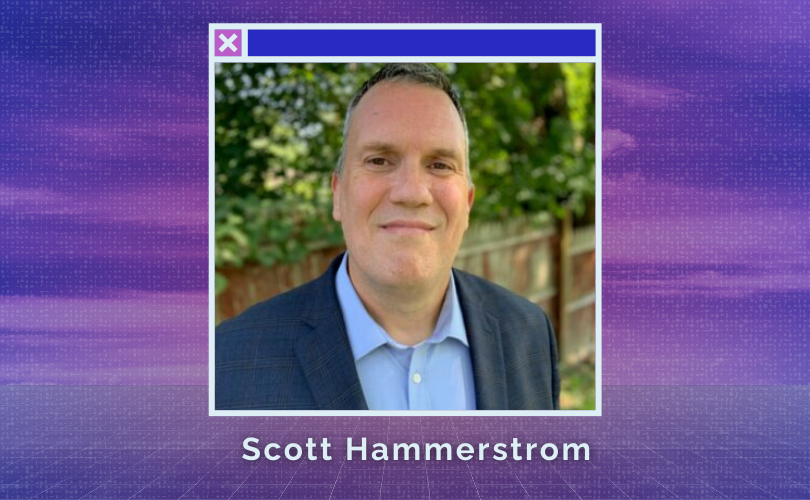
Scott Hammerstrom (he/him), based in Pittsburgh Pennsylvania, has over 20 years of dedicated experience delivering programs and products serving the disability community. He has dedicated his career to advancing initiatives related to employment, education, and community engagement.
As Manager of Programs and Partnerships at the Bender Leadership Academy, Scott leads day-to-day operations, focusing on strategic alignment, resource management, and impactful program delivery to align with Bender’s mission statement of empowering students with disabilities to address bullying, pursue education, and achieve their career goals.
Scott collaborates extensively with educators, businesses, and community stakeholders to ensure that the Bender Leadership Academy’s programs uphold the highest standards of excellence and deliver measurable impact. He is also responsible for expanding program reach, cultivating strategic partnerships, and strengthening the organization’s presence within the community.
Scott began his tenure with Bender in 2007, initially serving on the talent programs team at Bender Consulting Services. He later advanced to the role of Talent Programs Team Lead, where he was instrumental in connecting individuals with disabilities to employment opportunities in both the public and private sectors. His responsibilities included supporting long-term disability recipients with return-to-work planning and mentoring, overseeing Bender’s workplace mentoring program, as well as managing the Office of Personnel Management’s (OPM) Shared List for people with disabilities.
For the past 18 years, Scott has served as the regional coordinator for Disability Mentoring Day in partnership with the American Association of People with Disabilities (AAPD), collaborating with employers across the Greater Pittsburgh area to promote inclusive mentoring experiences. As the first private-sector employer to support DMD, Bender’s impact with this program became a national model for successful DMD programming under Scott’s guidance, serving hundreds of students annually.
Prior to joining Bender, Scott held positions at Best Buddies Pennsylvania as Program Supervisor and the Arthritis Foundation of Western Pennsylvania as Director of Program Services and Community Relations. He holds a Bachelor of Science degree from Robert Morris College.

Johileny Merán (she/her) is the Programs and Operations Assistant at AAPD, where she supports the organization’s internship programs and the work of the Chief Operating Officer.
A Disabled Afro-Dominican immigrant raised in New York City, Johileny is deeply committed to advocacy, education, and empowering young people to reach their full potential. She champions a disability-inclusive and intersectional approach to all social justice work.
Prior to AAPD, she served as the Restorative Justice Program Assistant at SchoolTalk’s RestorativeDC, where she provided logistical, communications, and operational support for restorative programming in DC schools. In this role, she also maintained relationships with program stakeholders, and supported the RestorativeDC implementation team.
Johileny is a member of the Mobility International USA (MIUSA) Advisory Committee and previously worked as a Program Coordinator for MIUSA’s National Clearinghouse on Disability and Exchange (NCDE), advancing disability inclusion in international exchange. She has worked with various organizations to promote disability inclusion in study abroad programs, higher education, emergency preparedness, and more.
She holds a Bachelor of Arts in Global Public Health and Sociology with a minor in Disability Studies from New York University (NYU). She also serves on the boards of Disability EmpowHer Network and Cerebral Palsy Positive (CPP).
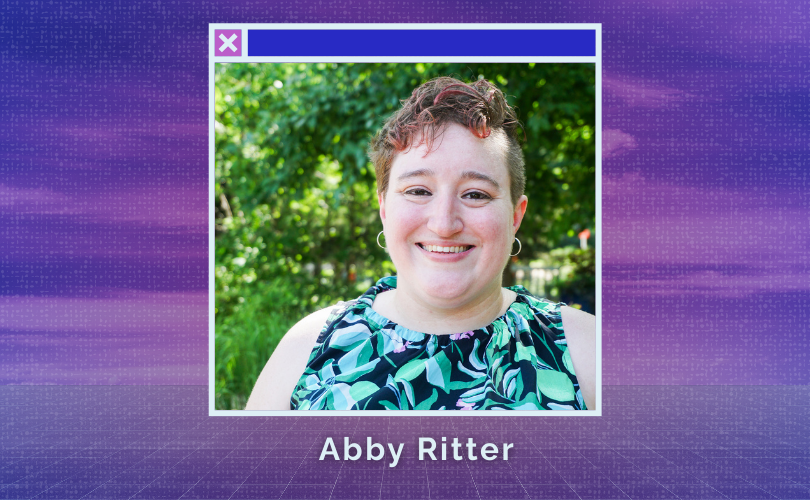
Abby Ritter (she/they) is a disabled music therapist and activist from Worcester, MA. She lives there with her partner, Steph, and their cat, Apollo. She completed both her bachelor’s and her master’s degrees from Nazareth College (now Nazareth University) in Rochester, NY, and has dedicated her professional life to working in and with the disability community.
She is the South Carolina Pathways Project Coordinator at Able South Carolina, a center for independent living in Columbia, SC. She, alongside the rest of the SCPP team, is working with the South Carolina Department of Education, Vocational Rehabilitation, and many other partners to build a disability-led transition model for disabled students transitioning to adulthood across the state.
Prior to her work at Able SC, Abby was the Youth Advisory Specialist at the Association of Programs for Rural Independent Living, an independent living membership organization that aims to represent the issues of the rural disability community. During their tenure at APRIL, Abby developed the APRIL “Lead On” Collaborative, a leadership development program that connected youth and young adults with disabilities from across the United States and its territories to one another while building their self-advocacy and employment skills.
Outside of their employment, Abby serves as the secretary of the Board of Directors at Disability EmpowHer Network. She joined the board after spending several years serving as a mentor as part of EmpowHer Camp, a year-long leadership and mentorship program for disabled teenage girls and nonbinary youth. Abby has had the pleasure of formally mentoring (and being mentored by) four young leaders through the program: Anja, Ace, Lonny, and Aurelia. Each of these young leaders, while very different from one another, has fundamentally shaped the way that Abby looks at the world. They hope for anyone who has the opportunity to mentor that their experiences are just as life-changing.
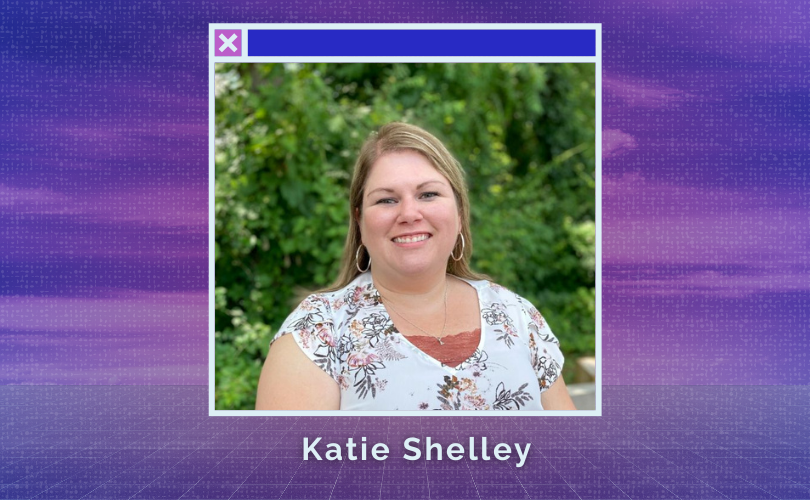
Katie Shelley (she/her) is the Conda Family Manager of Access Initiatives at the Toledo Museum of Art, where she leads efforts to ensure the museum is a welcoming, inclusive, and accessible space for all visitors and staff. A passionate advocate for disability rights and access, Katie brings both professional expertise and lived experience as a person with a physical disability to her work.
Originally from the Detroit area, Katie is now a proud Toledoan, but she will always remain a Michigander at heart. Katie earned her Bachelor of Arts in English from Western Michigan University, followed by a Master of Library and Information Science from Wayne State University. Recognizing the importance of using her knowledge of disability to enact positive systemic change for others with disabilities, Katie went on to complete a Master of Liberal Studies with a focus on Disability Studies at the University of Toledo. In Fall 2022, she returned to the University to serve as an adjunct instructor in the Disability Studies program, sharing her knowledge and experience with the next generation of scholars and advocates.
Katie is most proud of her work with Disability EmpowHer Network (DEN), a nonprofit organization dedicated to empowering girls and women with disabilities through mentorship, skill-building, and leadership development. After participating in nearly every program the organization offers — including EmpowHer Expressions and serving as a mentor at EmpowHer Camp — Katie joined DEN’s Board of Directors to help further its mission. Her role as a mentor is deeply personal and purposeful; she is committed to creating a supportive space for other disabled women to grow, lead, and thrive. Through her mentorship, Katie encourages participants to embrace their identities, recognize their strengths, and become advocates in their own communities. This work is the most rewarding and impactful of her career.
In addition to her roles at the museum and with DEN, Katie is a member of the Ohio Statewide Independent Living Council, supporting centers for independent living and disability rights across the state. Whether she is designing accessible museum programs, teaching university students, or mentoring future leaders, Katie is driven by a vision of a more equitable and inclusive world.
When she’s not advocating for change or supporting young leaders, Katie enjoys exploring local arts and culture, writing, and spending time with her beloved service dog, Petunia, who is not only her constant companion but also a source of strength, independence, and joy.
Through all of her work, Katie aims to build bridges between people, communities, institutions, and systems, and strives to ensure that access and inclusion are not just goals, but shared values.
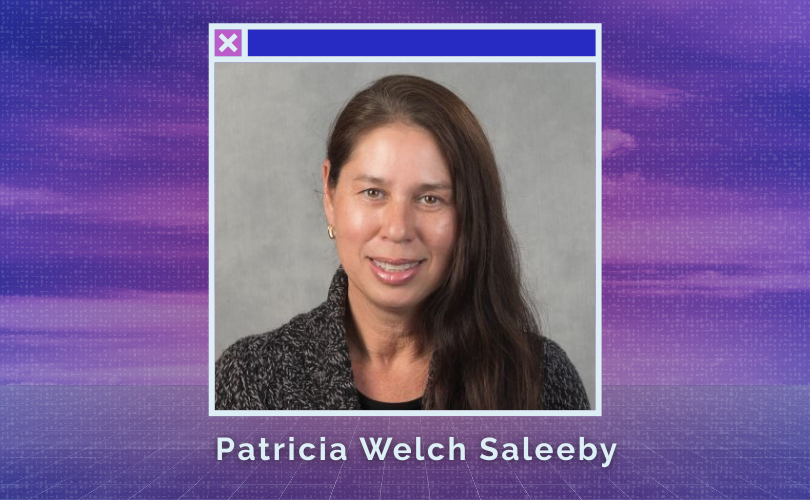
Dr. Saleeby (she/her) is a Full Professor and Department Chair in Sociology, Criminology, and Social Work at Bradley University who has dedicated her professional career to enhancing the quality of life of persons with disabilities locally, nationally, and globally.
Her academic research lab focuses on improving health, functioning and environment using a capability perspective. Projects include an equity component involving key stakeholders as well as targeted outcomes to make a difference in populations and communities. Having a sister with Down’s Syndrome and being diagnosed herself with a disabling heart condition as a teenager, she incorporates lived experiences throughout her teaching and research.
Among her multiple appointments, Patricia serves as the Co-Chair of the Functioning and Disability Reference Group (FDRG) and a member of the Education and Implementation Committee for the WHO Family of International Classifications, or WHOFIC. She is the classification content expert for the PACIO or Post-Acute Care Interoperability Project sponsored by the Centers for Medicare and Medicaid and participates in the GRAVITY Social Determinants of Health Working Collaborative. She is also a member of the International Advisory Board at the Columbia-WHO Center for Global Mental Health.
Patricia is currently serving her second term on the Illinois Board of Higher Education’s Faculty Advisory Council. She has led projects in the area of mental health in higher education. She was named an IBHE Faculty Fellowship recipient, conducting a state-wide project that examined accessibility issues and disability resources on college campuses for students with disabilities.
She has mentored numerous students through her participation in programs like the National Youth Science Camp, Frontiers for Young Minds Science Mentor Program, McNair Scholars Program, CSWE Minority Fellowship Program, Paraquad Center for Independent Living, Girl Scouts of Eastern Missouri, Junior League of St. Louis, and Ladue Schools Parent Association.
Patricia has been honored by multiple organizations including the American Parkinson Disease Association, American Public Health Association, The Association of Baccalaureate Social Work Program Directors, Barnes Jewish Hospital Auxiliary, Council on Social Work Education, Girl Scouts of Eastern Missouri, and the National Association of Social Work.
She earned her PhD in Social Work from Washington University completing her dissertation on the intersections of disability and poverty using a capability approach. She holds a MSSA in Social Administration from the Mandel School at Case Western Reserve University and a BA in Biology from Oberlin College.
—
We hope you register to this year’s Hall of Fame on Monday, July 21 at 6PM EST via Zoom! Click here to register.